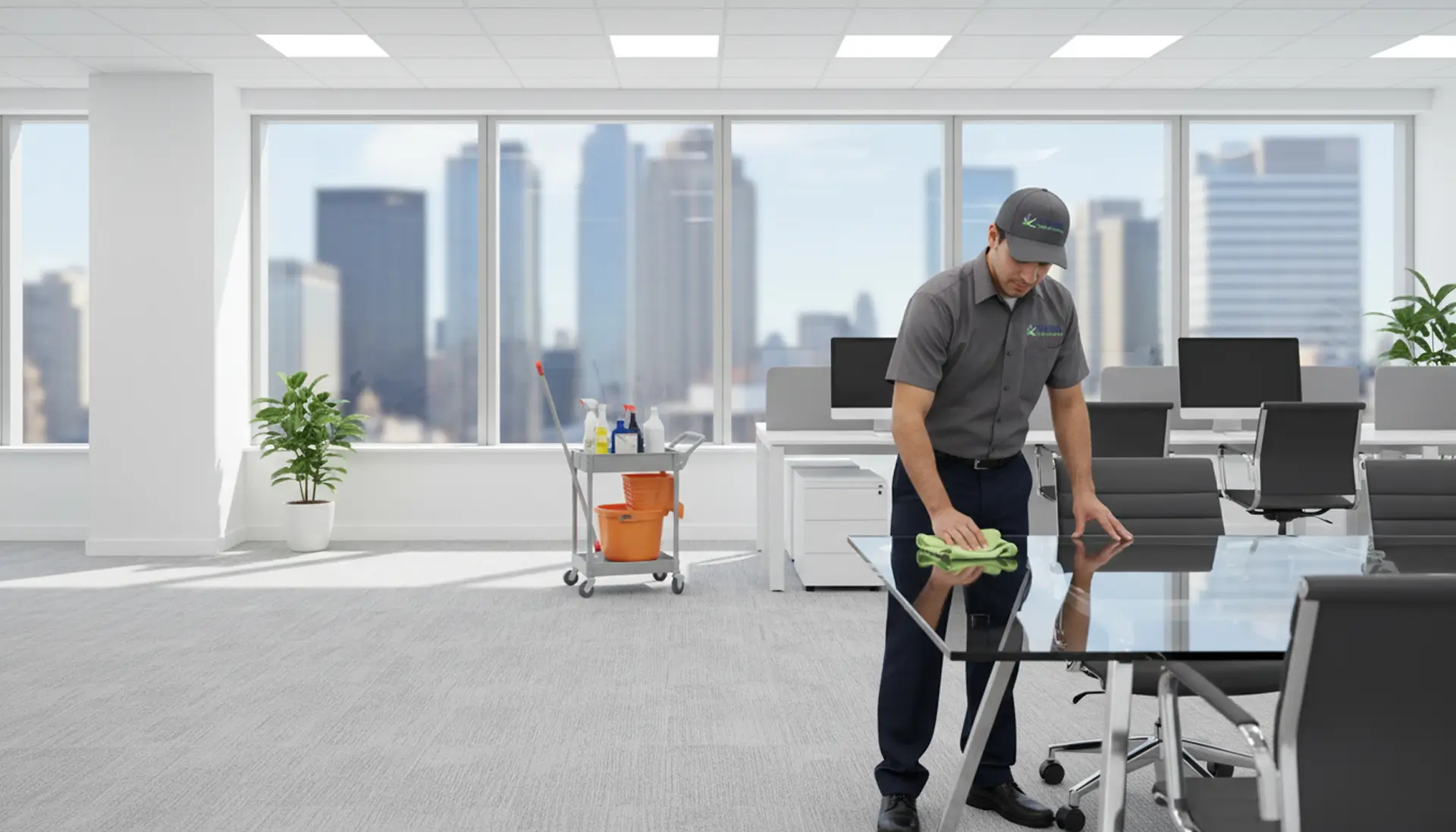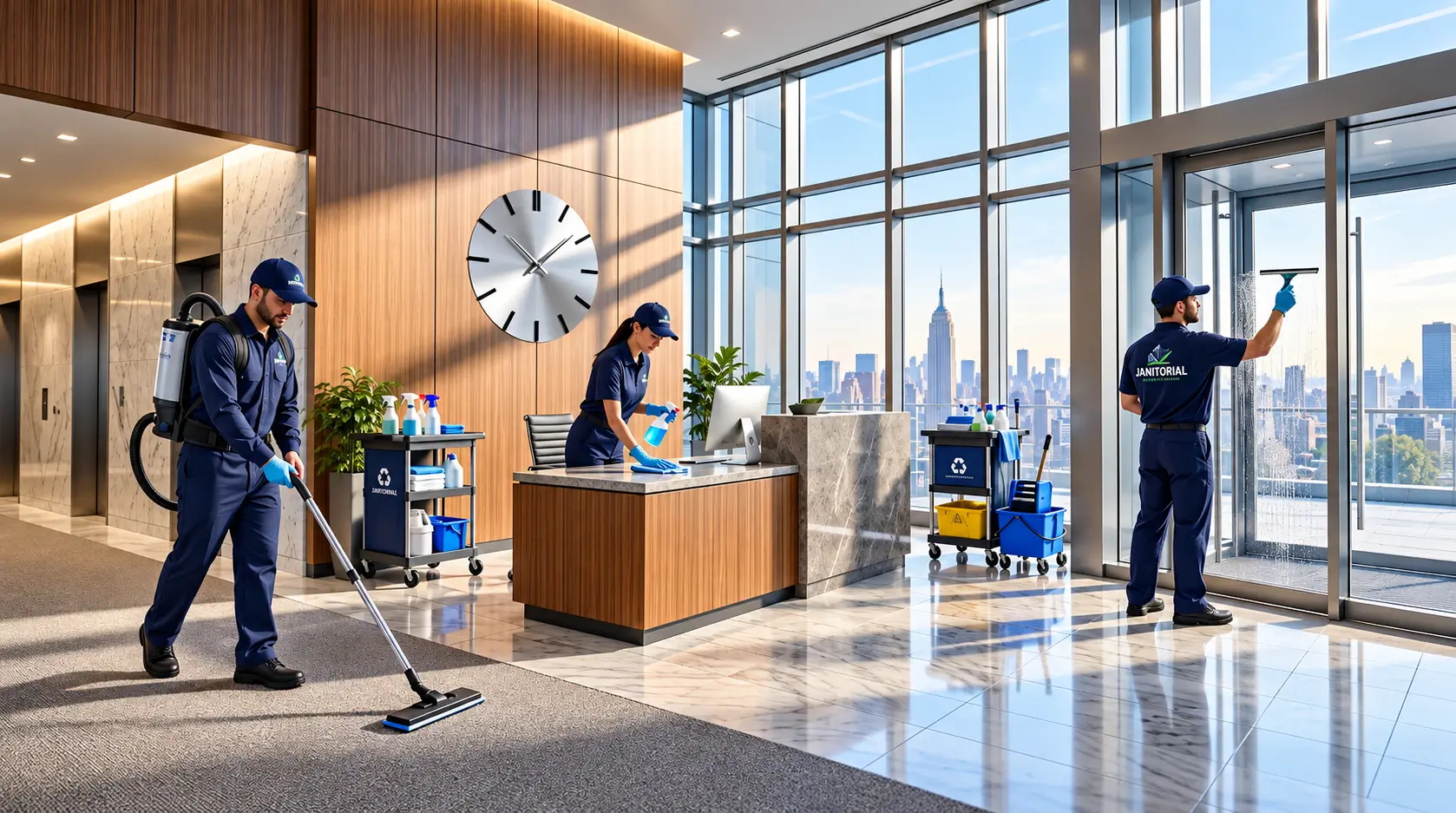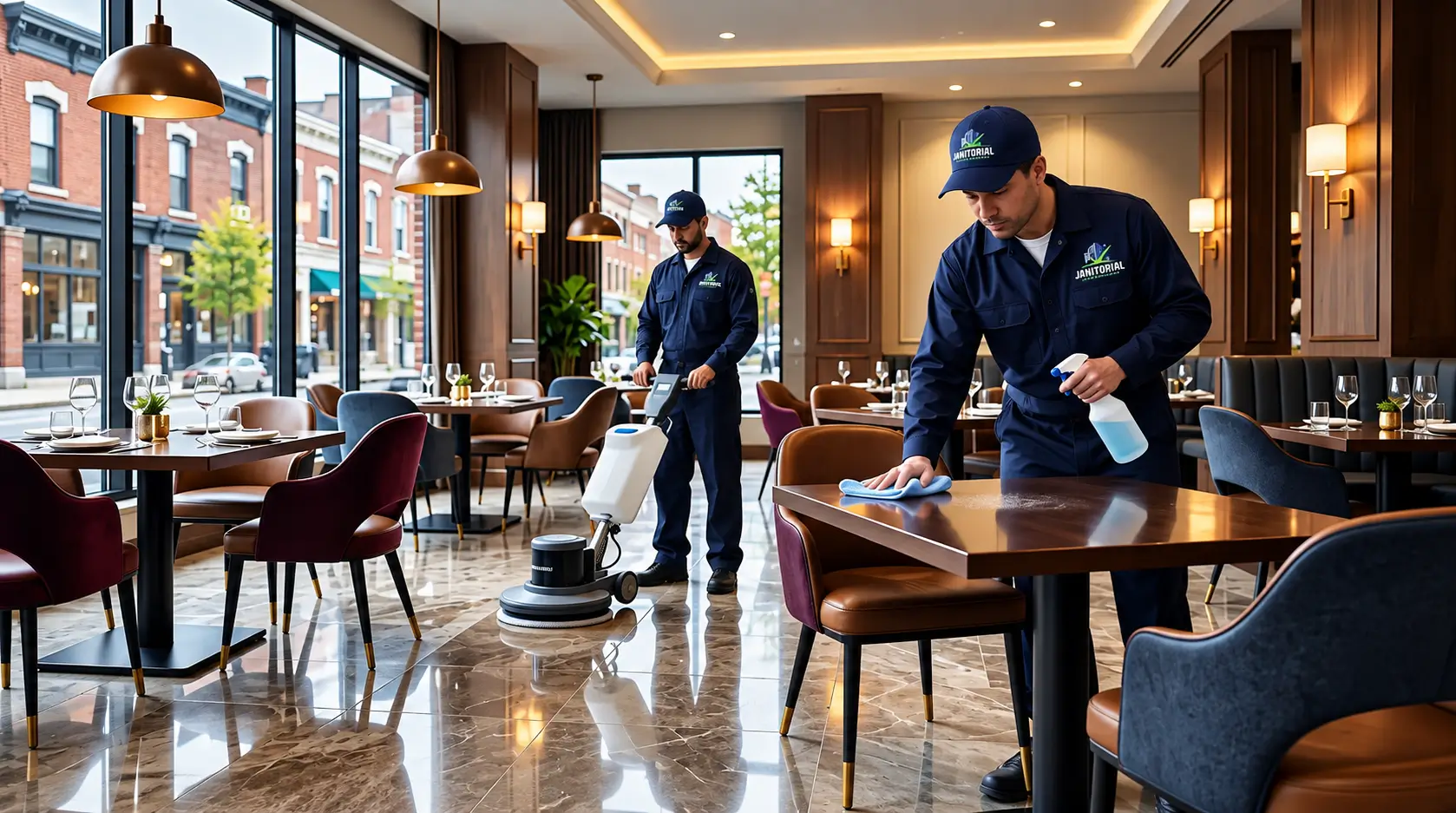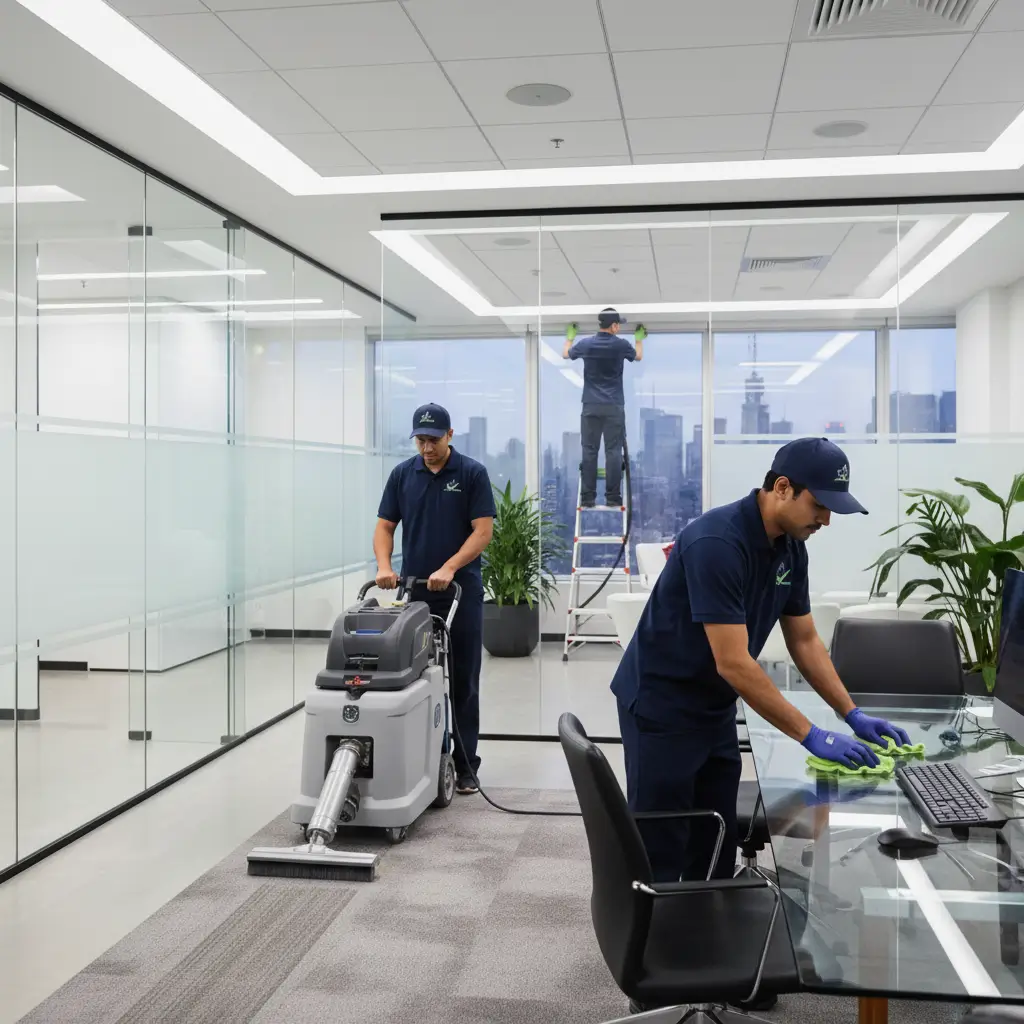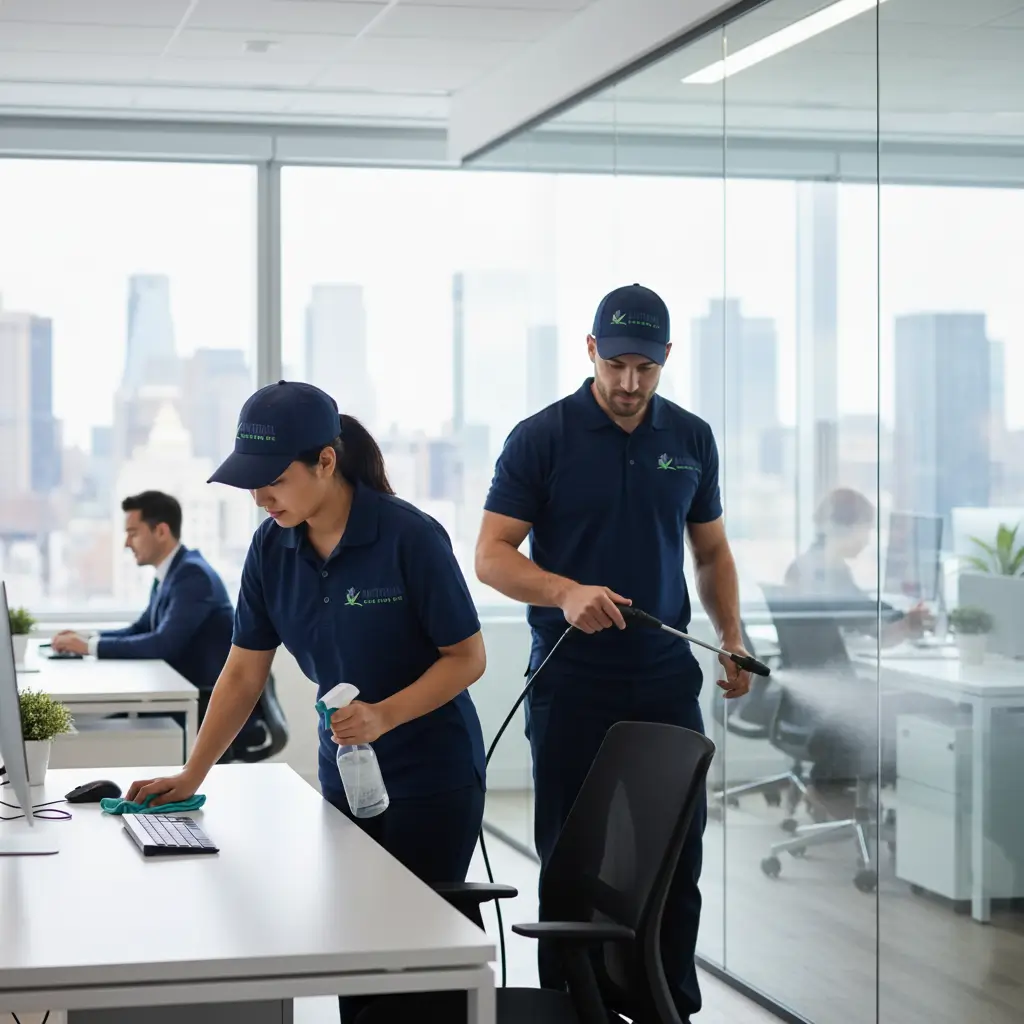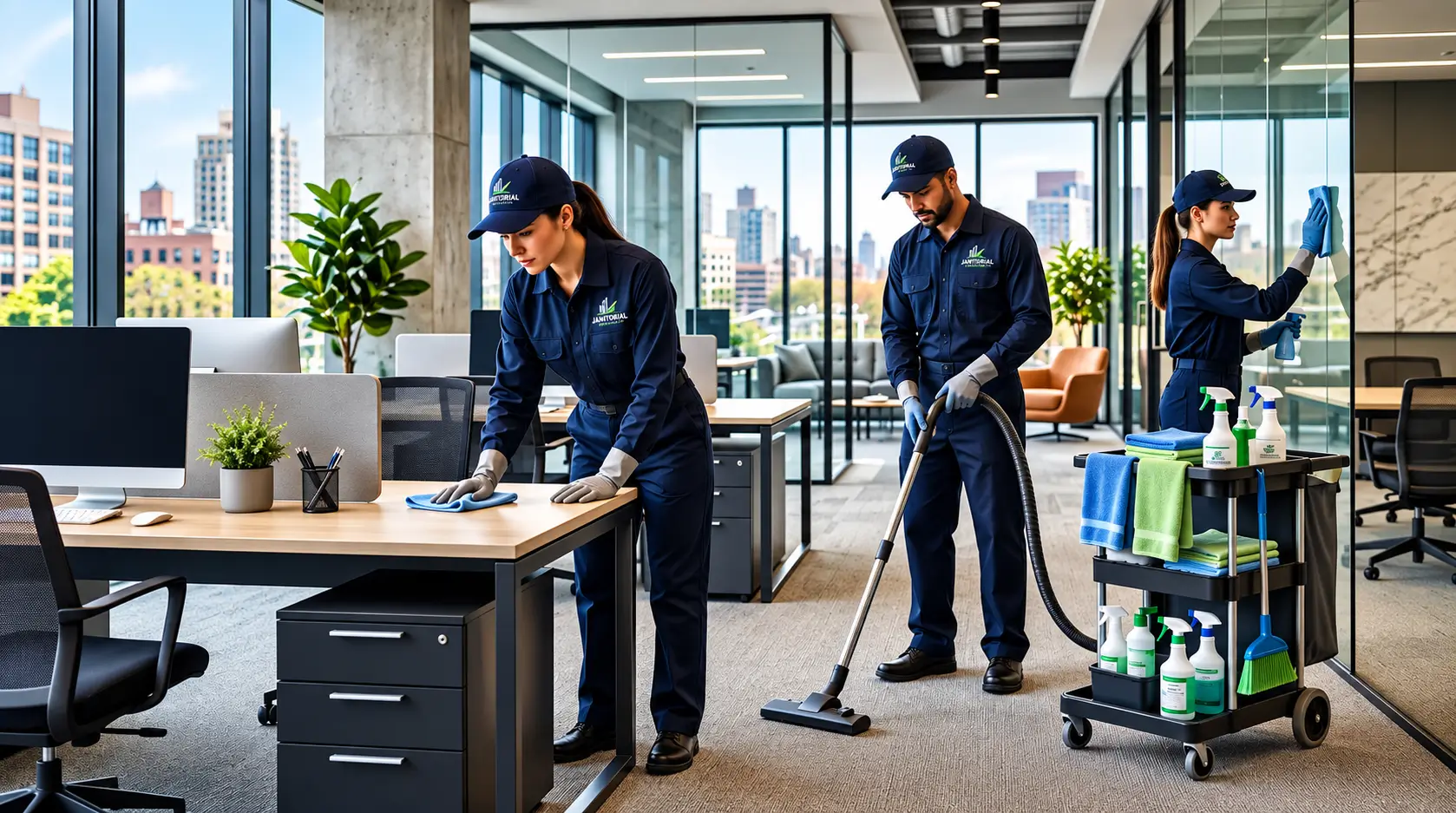
Many business owners assume that a workplace that looks clean is also a safe and compliant one. OSHA’s role in workplace cleaning is to set safety standards, enforce compliance, and manage the hazards tied to sanitation, housekeeping, and chemical exposure. It does this through clear rules on floors, cleaning chemicals, protective equipment, restrooms, and bloodborne pathogens, all backed by inspections and penalties.
For businesses in New York City, these rules shape how every office, clinic, restaurant, and retail space should be cleaned. A single unlabeled spray bottle or unmarked wet floor can lead to an injury, a citation, or both. Knowing which standards apply, what OSHA does not require, and who carries responsibility when you hire office janitorial services helps you keep your facility safe and ready for any inspection.
Why OSHA Cares About How Your Workplace Is Cleaned
Under the Occupational Safety and Health Act of 1970, every employer must provide a safe and healthful workplace. Cleaning is a big part of that duty because the way a space is cleaned directly affects the people who work in it.
Poor cleaning practices create hazards that most people don’t notice until someone gets hurt. A freshly mopped floor without a warning sign can cause a fall, and an unlabeled spray bottle can lead to a chemical burn. Even overflowing trash can attract pests and spread germs across shared spaces.
Here’s how cleaning connects to workplace safety:
- Clean, dry floors prevent slips, trips, and falls
- Proper chemical handling prevents burns and breathing problems
- Sanitary restrooms limit the spread of illness
- Regular waste removal keeps pests and odors away
- Organized spaces lower fire risk and keep exits clear
Good housekeeping also improves morale and makes daily operations run more smoothly. That’s why OSHA treats cleaning as a core safety function rather than a cosmetic task, and why the right cleaning services play such an important role in keeping your workplace compliant.
Core Aspects of OSHA’s Role in Workplace Cleaning
OSHA does not have one single “cleaning standard.” Instead, several standards work together to cover different parts of the job, from floor care to chemical safety.
Setting Housekeeping Standards (29 CFR 1910.22)
The walking-working surfaces standard requires all places of employment, passageways, storerooms, and service rooms to be kept clean, orderly, and sanitary. Floors must also stay dry as far as possible, and spills must be handled quickly.
This rule matters because floor hazards are among the most common causes of workplace injuries. According to the U.S. Bureau of Labor Statistics, falls, slips, and trips caused 479,480 private-industry injury cases that required days away from work across 2023 and 2024. That equals about 22.6 cases for every 10,000 full-time workers each year.
For cleaning crews, this means a wet floor they create is a hazard they must control while it exists. Warning signs, quick drying, and mopping during low-traffic hours all help prevent accidents.
Controlling Chemical Hazards Through HazCom (29 CFR 1910.1200)
Many everyday cleaning products contain chemicals that can irritate skin, damage eyes, or affect breathing. OSHA’s Hazard Communication Standard makes sure workers understand these risks before they use any product.
Under this standard, employers must:
- Keep a Safety Data Sheet (SDS) for every hazardous chemical
- Label all chemical containers clearly
- Train workers on hazards and safe handling
- Maintain a written hazard communication program
One detail is often missed. A spray bottle filled from a concentrate is a secondary container and generally needs the product identifier and hazard information. Unlabeled bottles on cleaning carts are a common reason businesses get cited.
The risks behind this standard are very real. In 2024, U.S. poison centers managed 74,838 adult exposures to cleaning substances, making cleaning products one of the most common causes of poisoning calls among adults. Clear labels, SDS access, and proper training help prevent these incidents at work.
Requiring Personal Protective Equipment (29 CFR 1910.132)
OSHA requires employers to assess workplace hazards and provide the right personal protective equipment for each task. In most cases, employers must supply this equipment at no cost to workers.
For cleaning staff, common PPE includes chemical-resistant gloves, safety goggles, and slip-resistant footwear. Respirators may be needed when strong chemicals are used in areas with poor ventilation. Workers must also be trained on when to wear each item and how to use it correctly.
Sanitation, Restrooms, and Waste Disposal (29 CFR 1910.141)
The sanitation standard covers the spaces every employee uses daily. It sets clear expectations for restrooms, washing facilities, and waste handling.
This standard requires employers to:
- Keep restrooms clean and in working order
- Provide washing areas with soap, water, and towels or dryers
- Use leak-proof waste containers that are easy to clean
- Remove waste often enough to prevent health hazards
- Maintain an effective pest control program when vermin appear
Bloodborne Pathogens in Medical and Dental Offices (29 CFR 1910.1030)
The Bloodborne Pathogens Standard protects workers who may contact blood or other infectious materials. This risk is highest in medical offices, dental clinics, labs, and similar healthcare settings.
OSHA does not generally consider janitorial staff in non-health care facilities to have occupational exposure, but it is the employer’s responsibility to determine which tasks involve exposure. When exposure is possible, employers need an exposure control plan, proper training, PPE, and safe disposal of contaminated waste. That’s why medical office cleaning requires specially trained crews.
Inspections and Enforcement
OSHA enforces these standards through workplace inspections. Inspections are usually triggered by imminent danger, serious injuries, worker complaints, referrals, or targeted programs for high-risk industries.
During an inspection, OSHA may review cleaning chemicals, SDS records, labels, floor conditions, and training documents. If violations are found, the employer receives a citation, a penalty, and a deadline to fix the problem.
OSHA Cleaning Standards at a Glance
Each standard above covers a different part of workplace cleaning. The table below brings them together, so you can quickly see what each rule covers and what it means for your daily cleaning.
| OSHA Standard | What It Covers | What It Means for Your Cleaning |
| 29 CFR 1910.22 | Walking-working surfaces | Floors must stay clean, orderly, and as dry as possible |
| 29 CFR 1910.1200 | Hazard communication | Cleaning chemicals need labels, SDS access, and staff training |
| 29 CFR 1910.132 | Personal protective equipment | Workers need proper gloves, eye protection, and other PPE |
| 29 CFR 1910.141 | Sanitation | Restrooms, washing areas, and waste disposal must stay sanitary |
| 29 CFR 1910.1030 | Bloodborne pathogens | Extra protection where blood or infectious waste is present |
What OSHA Does Not Require
Many myths surround OSHA and cleaning. Knowing what the rules don’t say helps you focus on what actually matters for compliance.
- No fixed cleaning schedule: OSHA does not tell you to clean restrooms or floors a set number of times per day. It requires spaces to stay sanitary, so the right frequency depends on your foot traffic and facility type.
- No specific wet floor sign: OSHA doesn’t name the yellow sign directly. However, posting warnings during wet work is the accepted way to control a slip hazard under 1910.22.
- No “OSHA-certified” cleaning companies: OSHA does not certify businesses. Workers can complete OSHA training courses, but a company claiming official OSHA certification is using misleading language.
Understanding these points helps you ask better questions when choosing cleaning services for your facility.
Who Is Responsible for OSHA Compliance When You Hire Janitorial Services
Many business owners believe that hiring a cleaning company transfers all safety responsibility to the vendor. In reality, OSHA can hold more than one party accountable for the same hazard.
Under OSHA’s multi-employer worksite policy, responsibility is divided among four types of employers:
- Creating Employer: The company that caused the hazard, such as a crew that leaves a wet floor unmarked.
- Exposing Employer: The company whose workers are exposed to hazard.
- Correcting Employer: The company responsible for fixing the hazard.
- Controlling Employer: The business with general authority over the worksite, which is usually the property owner or tenant.
Worksite owners and operators are most likely the controlling employers and carry a higher compliance burden than other employers at the site. This means your business could share responsibility if your janitorial services provider cuts corners on safety. The safest approach is to work with a cleaning company that trains its staff, documents its procedures, and follows OSHA standards on every visit.
If an OSHA inspector visited your workplace tomorrow, would your cleaning practices meet every standard? If you’re not sure, Janitorial Solutions NYC can help. Our janitors are trained in chemical safety and PPE standards, so your facility stays clean and compliant. Call (212) 817-4371 for a free quote.
Also Read:
How OSHA Cleaning Requirements Change by Industry
Every workplace follows the same core standards, but the level of risk varies by industry. Your cleaning plan should match the specific hazards in your facility.
- Offices and Coworking Spaces: The main focus is floor safety, restroom sanitation, and chemical labeling. High-touch areas like shared desks also need regular disinfection, which office cleaning and coworking space cleaning plans should cover.
- Medical and Dental Offices: These facilities require bloodborne pathogen training, proper disposal of infectious waste, and strict disinfection protocols. Cross-contamination prevention is critical.
- Restaurants: Grease buildup creates slip hazards and fire risks. Restaurant cleaning crews also handle strong degreasers that need careful labeling and PPE.
- Retail Stores: Heavy foot traffic means spills must be handled quickly and floors kept dry during business hours.
- Post-Construction Sites: Dust, debris, and leftover materials create hazards that need specialized post-construction cleaning and proper protective equipment.
A one-size-fits-all cleaning plan often leaves gaps in compliance. Working with cleaning services that understand your industry helps you address the right hazards from day one.
OSHA-Compliant Cleaning Checklist for NYC Businesses
A simple checklist helps your team stay consistent and ready for an inspection. Use the tasks below as a starting point and adjust them to fit your facility.
Daily Tasks
These tasks protect workers during every shift:
- Mark wet floors with warning signs
- Clean up spills right away
- Restock soap, towels, and toilet paper
- Empty trash before bins overflow
- Check that spray bottles are labeled
Weekly Tasks
Weekly checks catch problems before they grow:
- Inspect PPE for damage or wear
- Confirm SDS sheets are complete and easy to find
- Clear clutter from walkways and exits
- Deep clean high-traffic floors and restrooms
Monthly Tasks
Monthly reviews keep your records and training current:
- Update the chemical inventory and SDS binder
- Review training records for all cleaning staff
- Check storage areas for leaks or mixed chemicals
- Look for signs of pests and act quickly
FAQs
Does OSHA regulate cleaning in offices?
Yes, OSHA standards apply to offices just like other workplaces. Employers must keep floors clean and dry, provide sanitary restrooms, label cleaning chemicals, train staff on hazards, and supply proper PPE to anyone handling cleaning products.
What OSHA standards apply to janitorial work?
Four standards cover most janitorial work. These are walking-working surfaces (1910.22), hazard communication (1910.1200), personal protective equipment (1910.132), and bloodborne pathogens (1910.1030). Sanitation rules under 1910.141 also apply to restrooms and waste disposal in every workplace.
How often does OSHA require restrooms to be cleaned?
OSHA does not set a specific cleaning schedule for restrooms. It requires restrooms to stay sanitary and supplied with soap, water, and towels. Most businesses clean them at least daily, with more frequent service in high-traffic facilities.
Are businesses responsible for OSHA violations by their cleaning company?
Yes, in many cases they can be. Under OSHA’s multi-employer policy, both the cleaning company and the business that controls the worksite may be cited for the same hazard. Hiring a trained, compliant janitorial service lowers that risk significantly.
Does OSHA require Safety Data Sheets for cleaning products?
Yes, OSHA’s Hazard Communication Standard requires employers to keep a Safety Data Sheet for every hazardous chemical in the workplace, including many cleaning products. Workers must be able to access these sheets easily during every shift.
The Bottom Line
OSHA plays a direct role in how workplaces are cleaned. Its standards cover floor safety, chemical handling, protective equipment, sanitation, and bloodborne pathogens, and its inspections and penalties make sure those rules are followed. For business owners, compliance is a shared responsibility. Choosing janitorial services that understand OSHA standards protects your employees, your customers, and your business from costly citations.
At Janitorial Solutions NYC, our insured, background-checked janitors are trained in hazard communication and PPE standards, so every product is labeled, every wet floor is marked, and every task follows OSHA guidelines. We also use non-toxic cleaning solutions that protect both your team and the air they breathe. We serve offices, medical facilities, restaurants, retail stores, and commercial buildings 24/7. Every plan is built around your schedule, your industry, and your budget.
An OSHA inspector notices what your cleaning crew misses. Make sure every label, sign, and safety step is in place before that visit ever happens. Call (212) 817-4371 or request your free quote online!