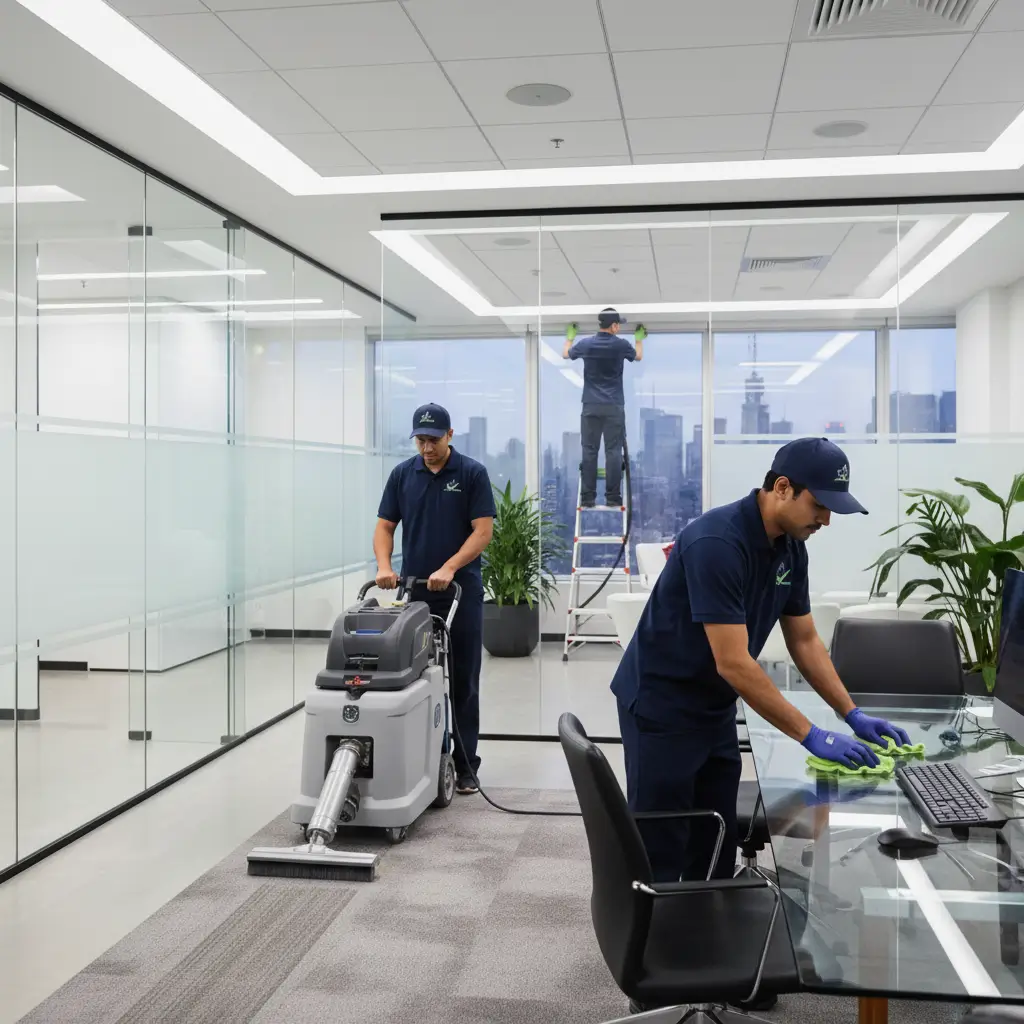
The moment clients step into your office, they get an impression of your business. A dusty reception desk, dirty restroom, stained carpet, or overflowing trash can make an office feel neglected in seconds.
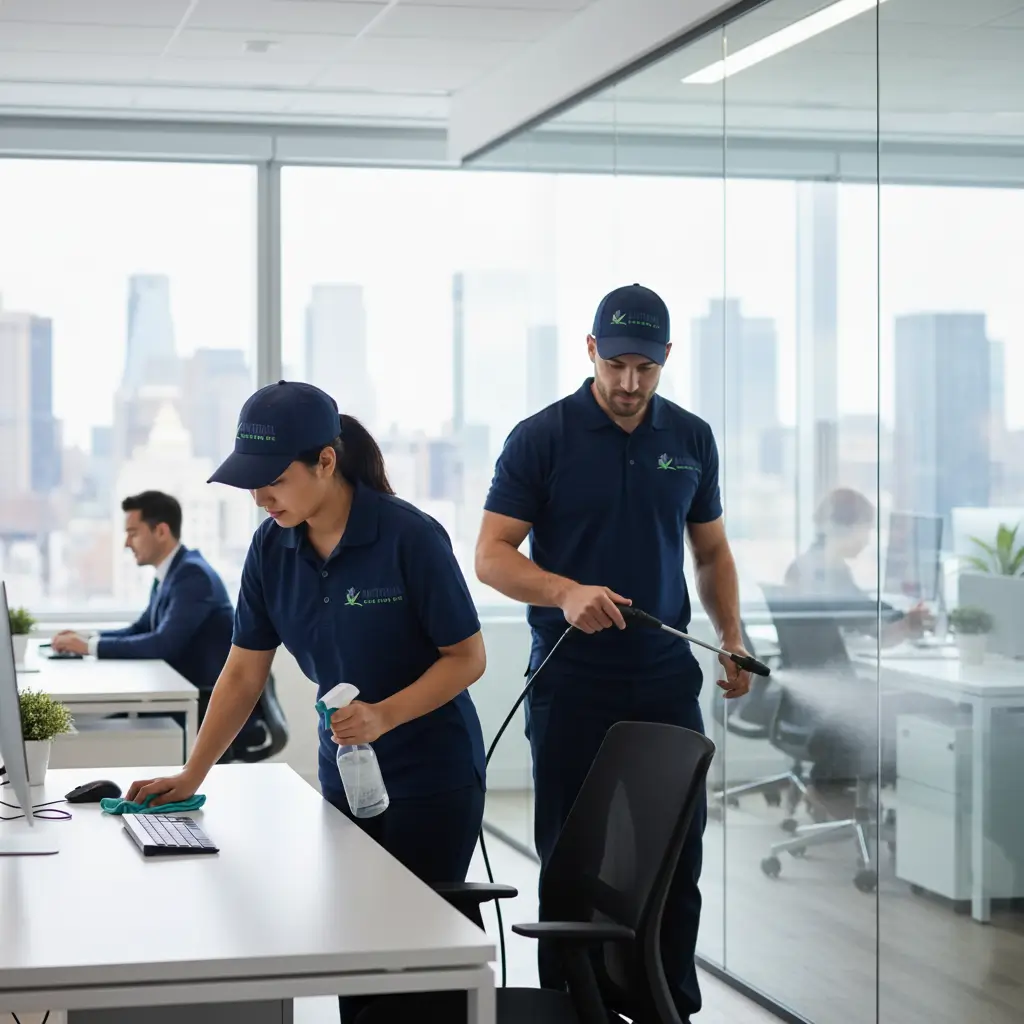
Offices in New York City face a bigger cleaning challenge than most workplaces. Heavy foot traffic brings in dirt from the streets, shared spaces collect germs throughout the day. You can see that the employees, clients, vendors, and visitors all use the same entrances, elevators, restrooms, and common areas. Keeping everything presentable takes more than in-house vacuum and wipe-down. Office cleaning in NYC gives businesses a consistent way to manage that workload. Professional cleaners go beyond the surfaces employees and visitors see, tackling high-touch areas, hidden buildup, and the hard-to-reach spots that routine in-house cleaning often overlooks.
Top 10 Reasons NYC Buildings Need Professional Cleaning
Running a commercial building in New York means dealing with constant foot traffic. Entrances collect street dirt, elevators pick up fingerprints and grime, and shared spaces can go from clean to messy within hours. Keeping a building consistently clean takes more than an occasional sweep or a quick in-house cleanup. It requires professional cleaning services built to handle the pace and demands of a busy NYC property. Here are 10 reasons professional cleaning matters for NYC buildings.
Avoid Street Dirt From Spreading Inside
NYC streets leave plenty behind. Dirt, dust, moisture, salt, and debris come through the entrance with employees, clients, deliveries, and visitors throughout the day. During rainy or snowy weather, wet shoes can bring even more moisture and grime into the building. The problem does not stay at the front door. Foot traffic can carry grit from the lobby into hallways, offices, elevators, and other shared areas. Over time, that buildup can work into carpet fibers, leave floors looking dull, and make surfaces harder to maintain.
Entrance areas also create the first impression of your building. Dirty mats, tracked-in debris, or wet floors can quickly make a well-run workplace feel neglected. A professional cleaning schedule keeps these high-traffic areas under control before dirt spreads deeper into the building.
Keep Shared Areas Under Control
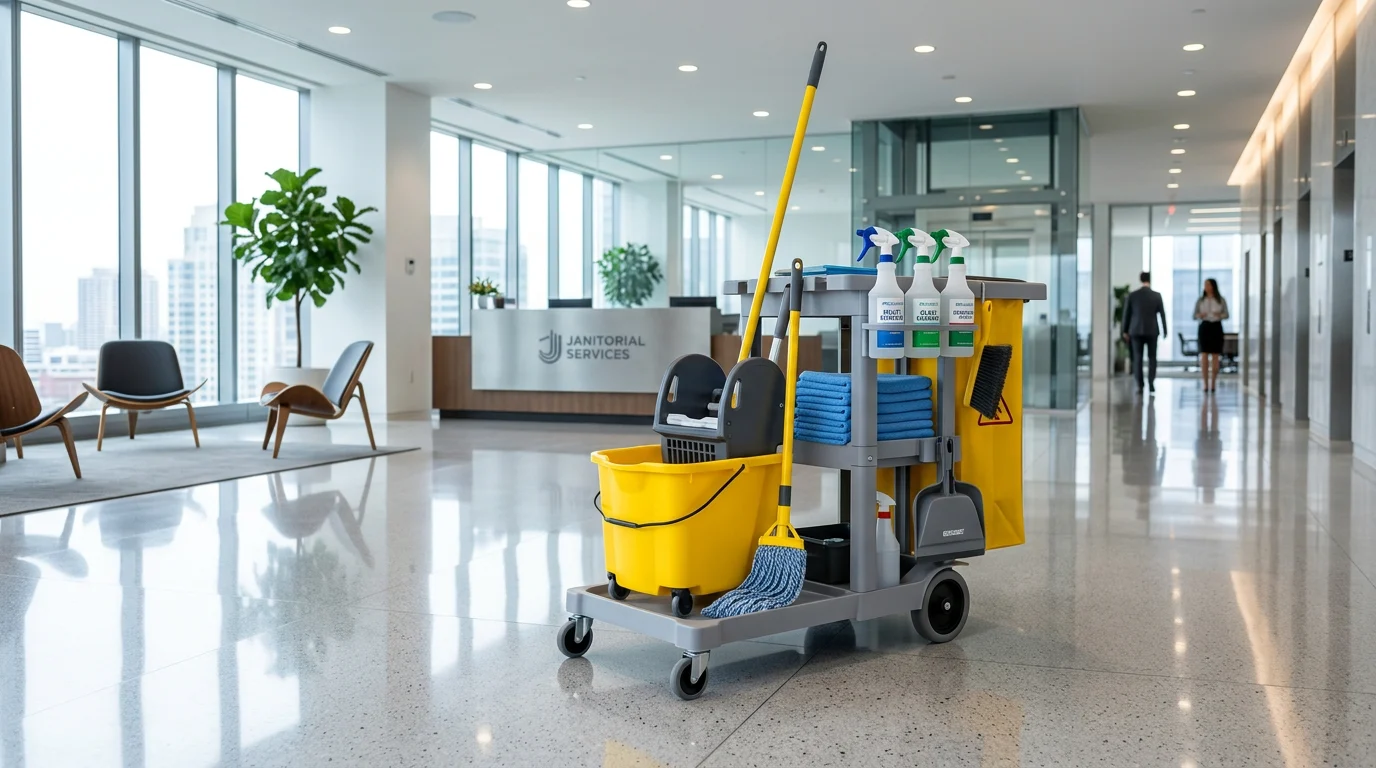
Shared spaces rarely stay clean for long, like a restroom, kitchen, elevator, or conference room may be used dozens of times before the workday is over. One cleaning in the morning may not be enough to keep these areas comfortable and presentable until closing time. The focus should be on the places people use most. When you hire cleaners, they can give extra attention to high-traffic and high-touch areas while keeping the rest of the building on a consistent schedule.
Common areas that need regular attention
- Restrooms and restroom fixtures
- Kitchen and break-room surfaces
- Elevator buttons and doors
- Conference and meeting rooms
- Reception areas
- Shared equipment and work surfaces
- Frequently touched handles and other surfaces
Clean shared space helps employees feel more comfortable at work and gives clients and visitors a better impression of how your business is managed. The goal is ongoing maintenance, not waiting until these areas visibly look dirty.
Protect Your Professional Image
Walk into your building as a client would. What would they notice first? A clean lobby, clear glass, maintained floors, and fresh-looking restrooms create a very different impression from stained carpet, overflowing bins, dusty surfaces, or fingerprints on doors. Your building is part of your brand. Therefore, you need professional cleaning to keep client-facing areas ready for meetings, inspections, visitors, and everyday business.
Control Germ Buildup
High-touch surfaces can collect dirt and germs throughout the day. Door handles, light switches, elevator buttons, shared equipment, kitchen counters, and restroom surfaces all deserve regular attention. Cleaning removes visible dirt and buildup. Appropriate disinfection can provide additional control on surfaces where it is suitable. Consistent routine matters more than an occasional deep clean.
Extend Floor Life
A floor can look clean from across the room and still hold onto months of traffic. In NYC buildings, that traffic includes everything brought in from the street, fine grit, moisture, salt, and other residue that settles into carpets and gets worked across hard surfaces. A mop or vacuum can keep things presentable, but it cannot always deal with what has worked deeper into the flooring. That is where floor and carpet cleaning services make a noticeable difference, particularly in entrances and other heavily used areas.
Give Employees a Cleaner Workplace
Employees notice the condition of their workplace. Dirty restrooms, dusty desks, full trash cans, stained carpets, and messy break rooms can make an otherwise professional office feel neglected. Cleaner workplace also means employees do not have to pick up cleaning duties themselves. Their time stays focused on the work they were hired to do.
Manage Large Spaces Properly
A commercial building can have several floors, multiple offices, shared facilities, and high-traffic areas that need attention every day. Cleaning such a property is not as simple as vacuuming the main office and emptying a few trash cans. Different areas collect different types of dirt and may require different cleaning methods and frequencies.
- Multiple floors and private offices
- Lobbies and reception areas
- Elevators and stairwells
- Restrooms and kitchens
- Conference and meeting rooms
- Hallways and building entrances
- Storage and utility areas
A professional cleaning plan organizes these tasks around how your building is actually used. High-traffic areas can receive more frequent attention, while less-used spaces can follow a different schedule.
Take Cleaning Off Your Staff
Cleaning becomes a management problem when your business handles it internally. Someone has to make sure supplies are available, schedules are covered, standards are being met, and unexpected cleaning needs are dealt with. Those responsibilities can quickly fall on office managers or employees who already have full workloads.
Consider everything that can come with managing cleaning in-house:
- Ordering and storing cleaning supplies
- Finding coverage when someone is absent
- Checking whether the work was completed properly
- Handling spills and urgent cleaning needs
- Managing cleaning schedules and daily tasks
Match Cleaning to Your Building
A coworking space does not operate like a private corporate office. Medical facility has different cleaning requirements from a retail store, while a multi-tenant building may have extensive shared areas to maintain. Your cleaning plan should account for:
- Building size
- Number of occupants
- Daily foot traffic
- Restroom use
- Floor and carpet types
- Shared areas
- Operating hours
- Industry requirements
Keep Business Moving With After-Hours Cleaning
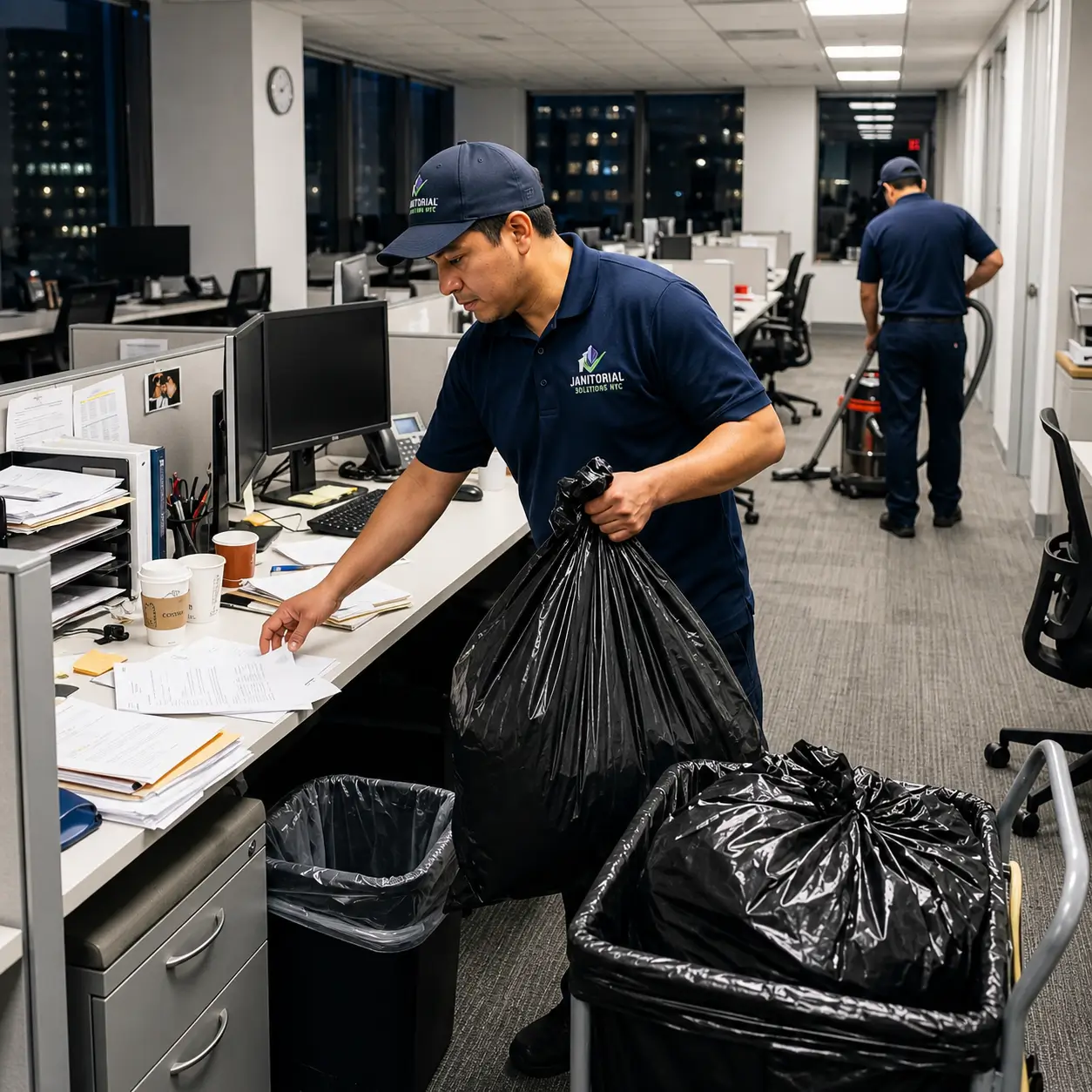
Cleaning does not have to interfere with your workday. Evening and overnight service lets cleaners work after employees and customers leave. They can vacuum, mop, clean restrooms, empty waste, and handle detailed tasks without disrupting meetings or daily operations. Your team arrives the next morning to a cleaner workplace instead of working around a cleaning crew. It also gives cleaners more time to focus on areas that need extra attention, so your office stays fresh without slowing down your business.
Also Read:
How Often Does Your NYC Office Need Cleaning?
Your cleaning schedule should fit the way your office operates, not someone else’s idea of how often an office should be cleaned.
- Daily Office Cleaning: Daily service makes sense for busy workplaces with heavy foot traffic, multiple restrooms, shared kitchens, frequent visitors, or large teams.
- Weekly or Bi-Weekly Cleaning: Smaller offices with fewer employees and lower traffic may not need daily service. A scheduled weekly or bi-weekly visit can provide the upkeep they actually need.
- After-Hours and Overnight Cleaning: Your employees should not have to work around vacuum cleaners and mops. After-hours and overnight cleaning lets cleaners work when the office is quiet, so your team can return to a fresh workspace.
- Same-Day Cleaning: Unexpected messes happen. A client visit, event, spill, or last-minute meeting can create a cleaning problem that cannot wait until next week. Same-day cleaning gives businesses another option when timing matters.
What Should a Professional NYC Office Cleaning Plan Include?
Good cleaning plan starts with your building. The size of your office, number of employees, floor types, restrooms, kitchens, traffic levels, and operating hours all affect what needs to be cleaned and how often.
An office cleaning plan may include:
- Dusting desks, furniture, ledges, and accessible surfaces
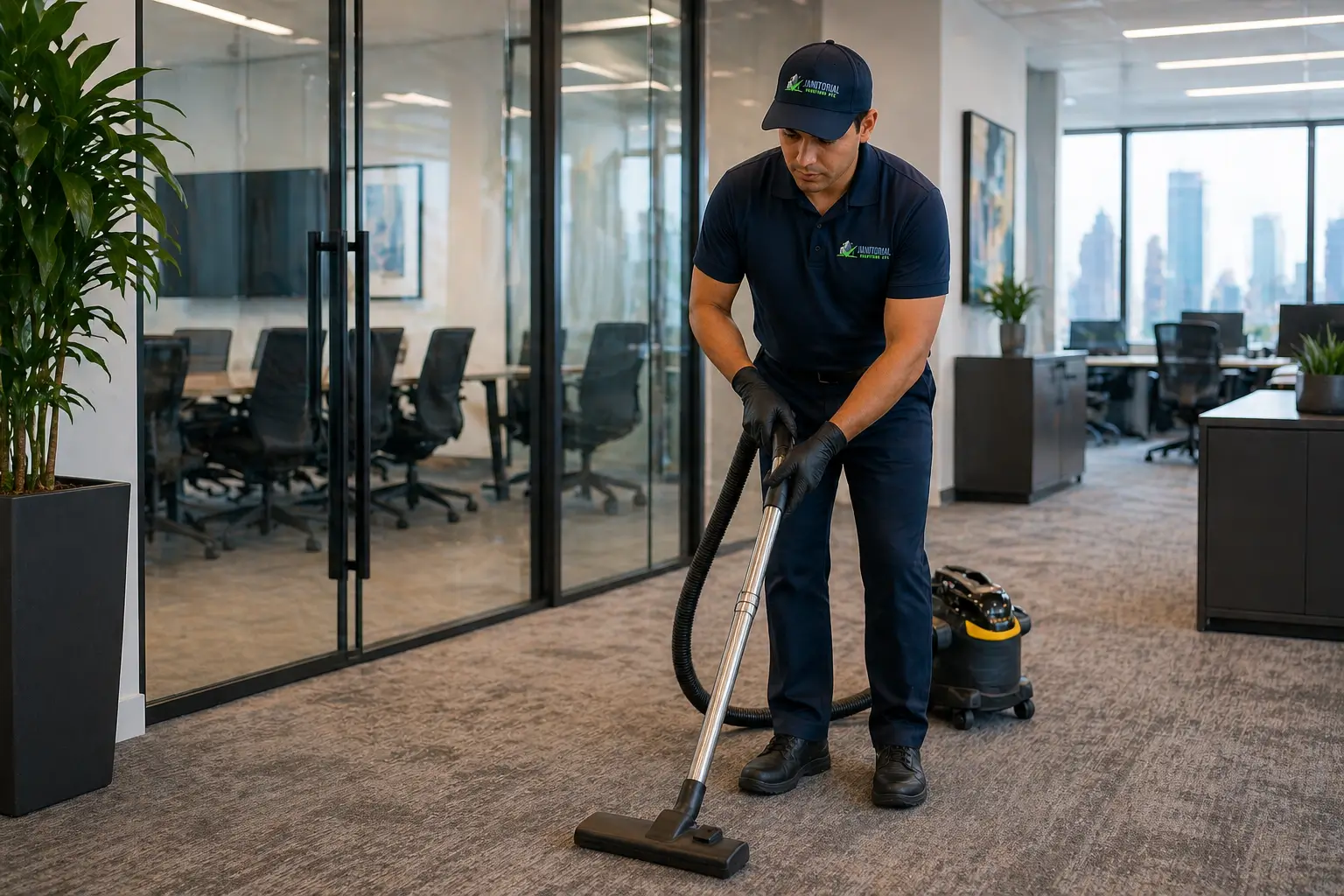
- Vacuuming carpets and rugs
- Mopping and maintaining hard floors
- Cleaning and disinfecting appropriate high-touch surfaces
- Cleaning restrooms and replenishing supplies
- Cleaning kitchens and break rooms
- Emptying trash and recycling
- Cleaning interior glass and entry areas
- Maintaining reception areas and common spaces
- Scheduling deeper carpet, floor, and detail cleaning when needed
Looking for Office Cleaners in NYC?
Clean office should not be something you have to think about every day. Your clients should walk into a space that feels professional, and your managers should not have to spend time chasing cleaning tasks. That is where the right cleaning team makes a difference. Janitorial Solutions NYC provides professional cleaning services across Manhattan, Brooklyn, Queens, and the Bronx. Our trained, insured, and background-checked janitors work around your schedule and follow a cleaning plan built around how your business actually operates.
Whether you need daily office cleaning, after-hours service, deep floor care, or a customized janitorial plan, you can get the support you need without adding more work to your team. Request a free quote and see how professional office cleaning in NYC can take cleaning off your plate.
Frequently Asked Questions
How often should a NYC office be professionally cleaned?
The right frequency depends on your office size, employee count, foot traffic, restrooms, shared spaces, and type of business. Busy offices may need daily cleaning, while smaller workplaces may only need weekly or bi-weekly service.
What is included in professional office cleaning?
Professional office cleaning can include dusting, vacuuming, mopping, restroom cleaning, trash removal, high-touch surface cleaning, break-room cleaning, common-area maintenance, and floor or carpet care. Your service plan should reflect the actual needs of your workplace.
Is professional office cleaning worth the cost?
For many businesses, professional cleaning provides value by saving employee time, maintaining the workplace, protecting floors and furniture, and removing the management work involved in running an in-house cleaning operation.
Can office cleaners work after business hours?
Yes. Evening and overnight cleaning are common options for businesses that want to avoid disrupting employees and customers. After-hours service also gives cleaners more freedom to complete detailed work.
How do I choose the right cleaning schedule?
Look at your daily foot traffic, employee count, restroom use, kitchen activity, floor types, and operating hours. A professional cleaning company can use those factors to recommend a schedule rather than forcing your business into a fixed package.
Do professional cleaners use eco-friendly products?
Many cleaning companies offer environmentally conscious or lower-odor products. The right product depends on the surface and cleaning task, so products should always be selected and used according to their intended application and instructions.